
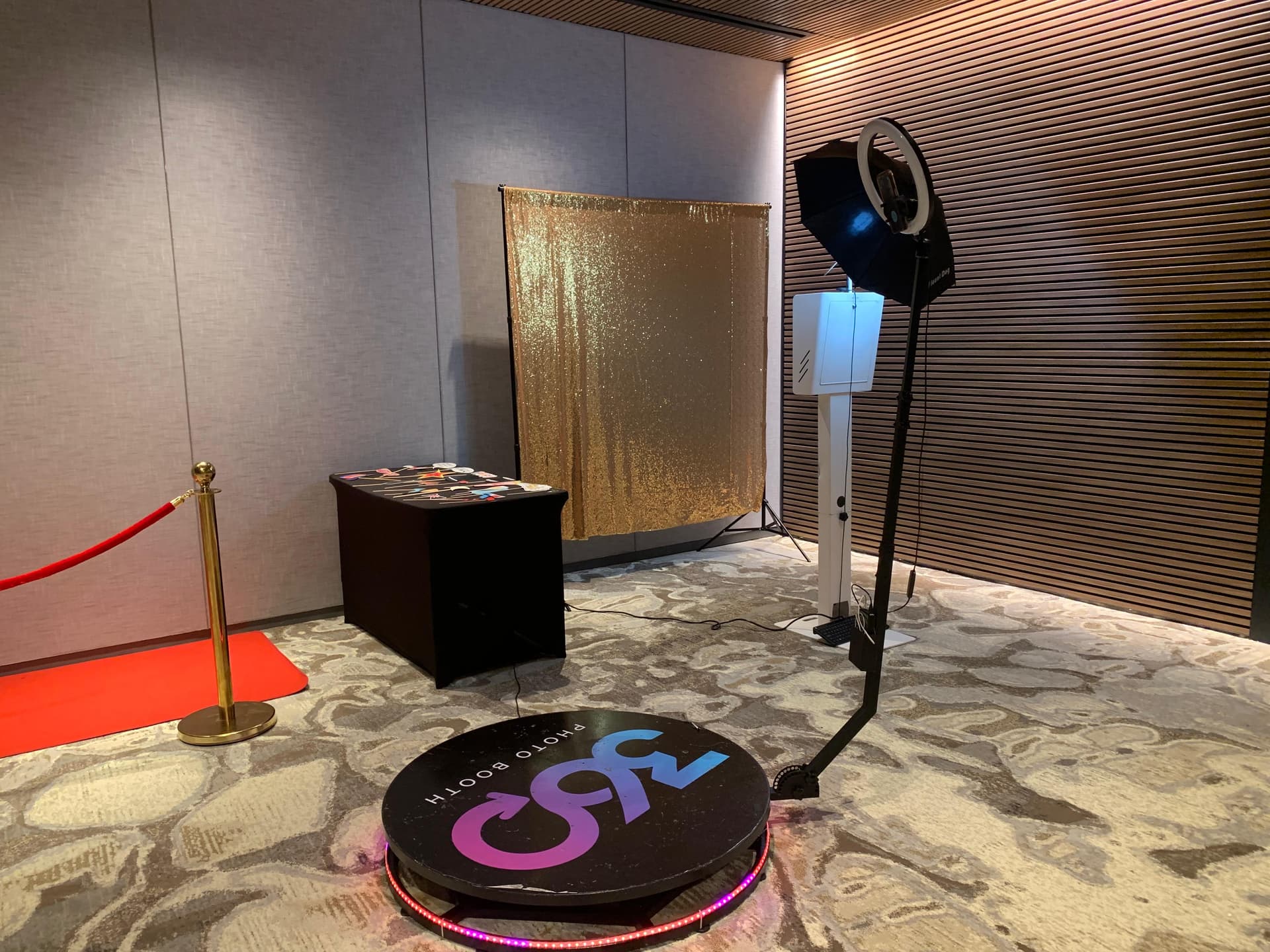
The debate around digital vs printed photos has grown stronger as technology continues to evolve. With smartphones, cloud storage, and social media dominating how we capture and share moments, many people question whether printed photos still matter. At the same time, printed photographs continue to hold emotional and practical value that digital images often lack.
Understanding the difference between digital vs printed photos helps you decide how to preserve memories, display images, and use photography for personal, professional, or event purposes. This guide breaks down every aspect of digital photos vs printed photos in a clear, informative way.
Understanding Digital Photos
Digital photos are images captured and stored electronically. They are typically taken using smartphones, digital cameras, tablets, or professional photography equipment. These images exist as data files and can be viewed on screens, shared online, or stored digitally.
In the digital vs printed photos comparison, digital photos stand out for their convenience. You can instantly view, edit, duplicate, and share them without any physical limitations.
Digital photos are widely used for:
- Social media sharing
- Online portfolios
- Event galleries
- Marketing and advertising
- Cloud-based photo storage
Understanding Printed Photos
Printed photos are physical copies of images produced on photographic paper or other materials. They transform digital files into tangible keepsakes that can be held, framed, displayed, or stored in albums.
When discussing digital vs printed photos, printed images are valued for their emotional connection. Holding a printed photo often creates a deeper sense of nostalgia and permanence than viewing an image on a screen.
Printed photos are commonly used for:
- Family albums
- Wall décor
- Scrapbooks
- Gifts and keepsakes
- Event photo booths
Digital vs Printed Photos: Quality Comparison
Quality is one of the most important factors in the digital vs printed photos debate.
Digital photos offer high resolution, sharpness, and vibrant colors when viewed on modern screens. However, quality can vary depending on screen size, resolution, and brightness.
Printed photos, on the other hand, provide consistent quality regardless of where they are viewed. A high-quality print maintains color accuracy, texture, and detail over time when properly stored.
While digital photos can look stunning, printed photos offer a reliable, physical representation that doesn’t depend on technology.
Digital vs Printed Photos: Storage and Longevity
Storage plays a critical role when comparing digital vs printed photos.
Digital photos require electronic storage such as hard drives, cloud services, or memory cards. While digital storage saves space, it also comes with risks like data loss, corruption, hacking, or outdated technology.
Printed photos require physical space but can last decades or even generations when stored correctly. Photo albums and frames protect memories without relying on software or devices.
In terms of long-term preservation, printed photos often provide greater peace of mind than digital storage alone.
Digital vs Printed Photos: Accessibility and Sharing
One major advantage of digital photos is accessibility. In the digital vs printed photos comparison, digital images are easy to access anytime and anywhere using smartphones or computers.
Digital photos can be instantly shared via:
- Email
- Messaging apps
- Social media platforms
- Cloud links
Printed photos are less convenient to share but more meaningful when given as gifts or displayed in homes.
Digital photos win in accessibility, while printed photos win in emotional impact.
Digital vs Printed Photos: Cost Comparison
Cost is another important factor in the digital vs printed photos discussion.
Digital photos have minimal ongoing costs. Once captured, they can be stored, copied, and shared without additional expense.
Printed photos involve printing costs, framing, albums, and storage materials. However, many people find the cost worthwhile because printed photos provide lasting value.
While digital photos are cheaper upfront, printed photos offer long-term satisfaction that justifies the expense.
Digital vs Printed Photos for Events
Events such as weddings, birthdays, corporate gatherings, and celebrations often use both digital and printed photos.
In the digital vs printed photos comparison for events:
- Digital photos allow instant sharing and social media engagement
- Printed photos create tangible keepsakes guests can take home
Photo booths often combine both formats by offering digital copies alongside printed images, giving guests the best of both worlds.
Digital vs Printed Photos for Personal Memories
Personal memories feel different depending on how they are preserved.
Digital photos often remain buried in phone galleries or cloud folders, rarely revisited. Printed photos are more likely to be displayed, shared, and enjoyed daily.
When choosing between digital vs printed photos for memories, many people prefer printed images for milestones such as weddings, graduations, and family portraits.
Digital vs Printed Photos for Professional Use
Professionals use both formats depending on their needs.
Digital photos are essential for:
- Websites
- Online portfolios
- Marketing campaigns
- Social media content
Printed photos are ideal for:
- Office décor
- Client presentations
- Trade shows
- Physical portfolios
In professional settings, digital vs printed photos is not an either-or choice but a strategic combination.
Digital vs Printed Photos: Emotional Value
One area where printed photos clearly stand out is emotional value.
Printed photos create a physical connection to memories. Holding a photo or flipping through an album triggers stronger emotional responses than scrolling on a screen.
In the digital vs printed photos debate, printed images often win when it comes to sentiment and nostalgia.
Digital vs Printed Photos: Environmental Impact
Digital photos reduce paper usage but rely on energy-consuming devices and data centers.
Printed photos use physical materials but do not require ongoing energy consumption.
When comparing digital vs printed photos, environmental impact depends on usage habits, print frequency, and digital storage practices.
Digital vs Printed Photos for Families
Families benefit from using both formats.
Digital photos make it easy to capture everyday moments and share them with relatives. Printed photos preserve family history and create traditions through albums and frames.
In the digital vs printed photos discussion for families, balance is key.
Digital vs Printed Photos for Businesses
Businesses often prioritize digital photos for branding and online presence. However, printed photos still play a role in offices, storefronts, and promotional materials.
A smart approach to digital vs printed photos allows businesses to maximize visibility and credibility.
Which One Lasts Longer?
Printed photos can last decades with proper care. Digital photos depend on technology that constantly changes.
Without regular backups and updates, digital files can become inaccessible. Printed photos remain viewable without any devices.
In terms of longevity, digital vs printed photos often favors printed images.
The Best Choice Depends on Purpose
The best option in the digital vs printed photos debate depends on how you plan to use your images.
Choose digital photos if you value:
- Convenience
- Instant sharing
- Minimal cost
- Online use
Choose printed photos if you value:
- Tangibility
- Emotional connection
- Long-term preservation
- Physical display
Combining Digital and Printed Photos
The smartest solution is not choosing one over the other. Combining digital and printed photos ensures you get the benefits of both formats.
Digital files preserve flexibility, while printed photos preserve meaning.
This balanced approach makes the digital vs printed photos debate less about choosing sides and more about using both effectively.
Final Thoughts
The debate between digital vs printed photos is not about which one is better overall—it’s about which one is better for your needs. Digital photos offer speed, convenience, and accessibility, while printed photos offer permanence, emotional value, and tradition.
In today’s world, the best approach is to use digital photos for everyday sharing and printed photos for the moments that truly matter. By understanding the strengths of both, you can preserve your memories in the most meaningful way possible.


